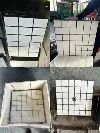
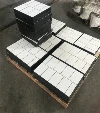
In modern high-purity grinding processes, wear-resistant ceramic liners have become an essential upgrade for ball mills. Compared with traditional steel-lined mills, a ceramic-lined ball mill features impact-resistant alumina liners installed inside the cylinder and matched with ceramic grinding balls. This combination ensures high grinding fineness, extremely low metal contamination, extended equipment lifetime, and improved product purity. It is widely used for processing high-purity silica, alumina, zirconia ceramics, pharmaceuticals, glazes, and various medium, fine, and ultra-fine grinding applications.

The ceramic lining system generally consists of three parts: rectangular mill plates, ceramic wear plates, and bolt fasteners. The structure is simple, easy to install, and convenient for future maintenance. The ceramic plate is fixed to the mill plate through bolts, forming a solid anti-wear protection layer on the inner wall of the mill.

A ball mill typically includes the feeding part, discharging part, rotating cylinder, and transmission system. Material enters the first chamber where lifting liners and grinding media generate strong impact and grinding actions. After coarse grinding, material flows into the second chamber, which is equipped with flat ceramic liners and ceramic grinding balls to achieve finer grinding. The final powder is discharged through the outlet.
Throughout the grinding process, the grinding balls generate strong impact and friction forces on the liners. Sharp and irregular material edges also cause severe abrasion. Under such conditions, conventional steel liners wear out quickly. By replacing them with impact-resistant wear-resistant ceramic liners, the mill receives stronger protection, significantly reducing equipment wear, extending service life, lowering maintenance costs, and improving production efficiency.