


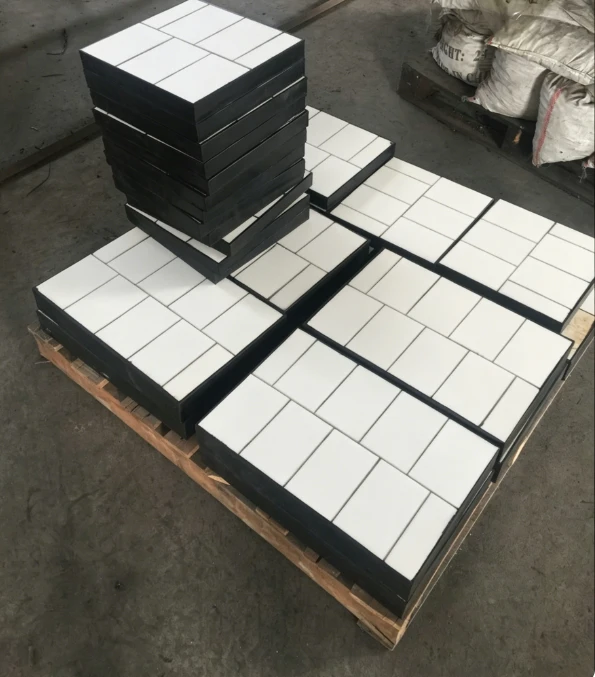
Ceramic Transfer Point Liner Panel
Ceramic Transfer Point Liner Panel is a composite wear panel for transfer chutes, hoppers, bins, discharge points and other bulk material handling areas. The working surface uses alumina ceramic, while the backing structure is selected according to impact, temperature and mounting requirements. Alumina grades from 92% to 99% are available within the ceramic product range.
Product Construction
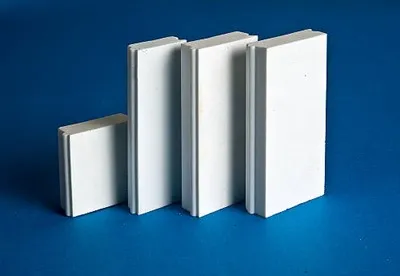
Alumina Ceramic Surface
The working layer uses dense alumina ceramic for direct contact with abrasive material. Available grades include 92% and 95% alumina, with higher-alumina options for specified material requirements.
Composite Backing
Rubber, steel, or rubber-and-steel backing can be selected according to the installation structure and operating conditions. The backing determines the panel's support and impact response.
Transfer Point Applications
Transfer Chutes: Panels cover chute walls, deflector sections and concentrated flow paths exposed to continuous sliding contact and material impact.
Hoppers and Bins: Lining protects receiving and storage surfaces where bulk material repeatedly contacts the equipment wall during loading and discharge.
Impact Zones: Rubber-backed construction is used in areas where falling material creates repeated impact against the lining surface.
Key Product Advantages
Abrasion Resistance: The alumina ceramic working layer provides a hard wear surface for abrasive bulk solids. Listed ceramic hardness is 85–86 HRC.
Impact Support: Rubber backing provides a resilient layer beneath the ceramic. Steel backing provides rigid structural support where required.
Mounting Flexibility: Steel-backed panels can be configured for mechanical fastening or welded support, allowing the mounting arrangement to follow the equipment structure.
Technical Parameters
|
Parameter |
Value |
|
Alumina content |
92% / 95% |
|
Ceramic density |
3.6–3.7 g/cm³ |
|
Ceramic hardness |
85–86 HRC |
|
Compressive strength |
850–950 MPa |
|
Fracture toughness |
≥4.8 MPa·m¹/² |
|
Ceramic-rubber-steel temperature range |
-40 to 100°C |
|
Ceramic-steel temperature range |
-40 to 500°C |
|
Ceramic thickness |
Application-specific |
|
Panel dimensions |
Application-specific |
|
Backing structure |
Rubber / Steel / Rubber + Steel |
Panel Selection
High Impact Areas: Rubber-backed panels are selected for transfer points where material drops directly onto the lining or creates repeated impact.
Rigid Lining Areas: Ceramic-steel construction is used where the lining requires rigid structural support and mechanical attachment. The listed operating range is -40 to 500°C.
Combined Conditions: Rubber-and-steel construction combines resilient backing with a rigid support layer. The listed operating range is -40 to 100°C.
Installation Options
Mechanical Fixing: Countersunk bolt arrangements can be incorporated into steel-backed panels where removable mechanical attachment is required.
Bonded Installation: Bonded mounting can be used when the equipment surface and operating conditions are compatible with an adhesive installation system.
Welded Support: Steel-backed panels can be prepared for welding to a supporting structure. The mounting arrangement follows the substrate and panel configuration.
Dimension and Configuration
Panel Size
Panel length and width are specified from equipment drawings or existing liner dimensions.
Thickness
Ceramic and backing thickness are selected according to wear exposure, impact conditions and structural requirements.
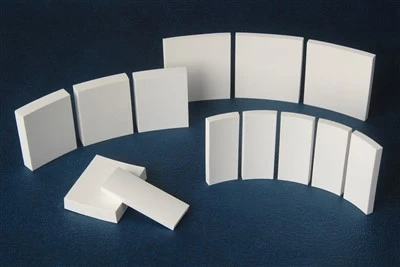
Shaped Sections
Shaped panels can follow curved or irregular equipment surfaces and match defined lining areas.
Quality Control Points
Ceramic Properties: Alumina content, density, hardness, compressive strength and fracture toughness provide measurable material references for panel selection.
Composite Bonding: The ceramic-to-backing interface is checked as part of composite panel production to maintain the connection between the wear surface and support layer.
Final Inspection: Panel dimensions, surface condition, backing structure and mounting details are checked against the specified configuration before shipment.
Application Industries
Mining
Transfer chutes, discharge points, hoppers, bins and other bulk material handling areas exposed to abrasive solids.
Cement and Power
Material transfer sections where abrasive particles create continuous sliding contact and localized impact.
Steel and Port Handling
Loading and transfer zones with concentrated bulk material flow and defined wear paths.
Information Required for Quotation
Provide equipment drawings or existing liner dimensions, material type, particle size, flow rate, impact condition, operating temperature, installation method and required quantity. Photos of the existing lining area can help confirm panel geometry and mounting details.
FAQ
Q: What ceramic grades are available?
A: The range includes 92% and 95% alumina ceramic, with higher-alumina options available for specified material requirements.
Q: Which backing structure should be selected?
A: Rubber backing is used for impact areas. Steel backing suits rigid mounting. Rubber-and-steel construction combines impact buffering with structural support.
Q: What temperature range is available?
A: The listed ceramic-steel construction covers -40 to 500°C. The ceramic-rubber-steel construction covers -40 to 100°C.
Q: Can panel dimensions be customized?
A: Yes. Length, width, thickness, backing structure and shaped sections can be specified from equipment dimensions and operating conditions.
Q: What information is needed for an inquiry?
A: Equipment drawings or dimensions, material characteristics, operating temperature, impact conditions, mounting method and required quantity provide the main information for configuration and quotation.
Hot Tags: ceramic transfer point liner panel, China ceramic transfer point liner panel manufacturers, suppliers, factory
You Might Also Like




Send Inquiry