


Ceramic Lined Pipe & Fittings
Ceramic Lined Pipe & Fittings Manufacturer & Global Supplier
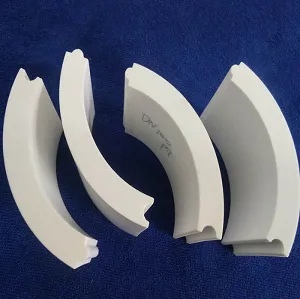
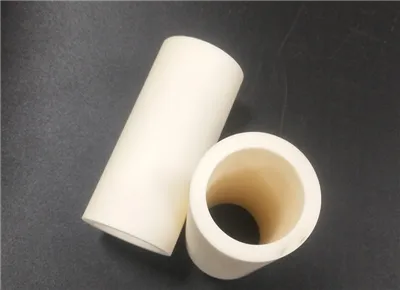
Ceramic lined pipes and fittings are designed for conveying abrasive powders, bulk solids and slurries in mining, mineral processing, cement, power generation and other heavy industrial systems. A steel outer pipe provides structural strength while a high-purity alumina ceramic lining protects the internal flow surface from continuous particle abrasion. Straight pipes, elbows, bends, tees, branches and custom fittings are available with ceramic grades, lining thicknesses and connection details selected according to material characteristics and operating conditions.




Why Choose Us
Extensive Manufacturing Experience
More than 25 years of experience in wear-resistant ceramic manufacturing supports material selection, ceramic forming and engineered lining design. This experience is applied to both standard pipe components and project-specific fittings.
Comprehensive Engineering Support
Engineering reviews cover pipe dimensions, conveyed material, particle size, flow velocity, temperature, pressure and installation conditions. These inputs are used to determine ceramic grade, lining thickness and fitting configuration.
High Production Capacity
Three automatic production lines support an annual wear-resistant ceramic production capacity of 30,000 metric tons. Production resources support both recurring orders and customized pipe assemblies.
Global Supply Capabilities
Products are supplied to industrial customers in international markets. Shipping terms including FOB, CIF, EXW, CPT and FCA can be arranged according to order and destination requirements.
Ceramic Lining Materials & Construction
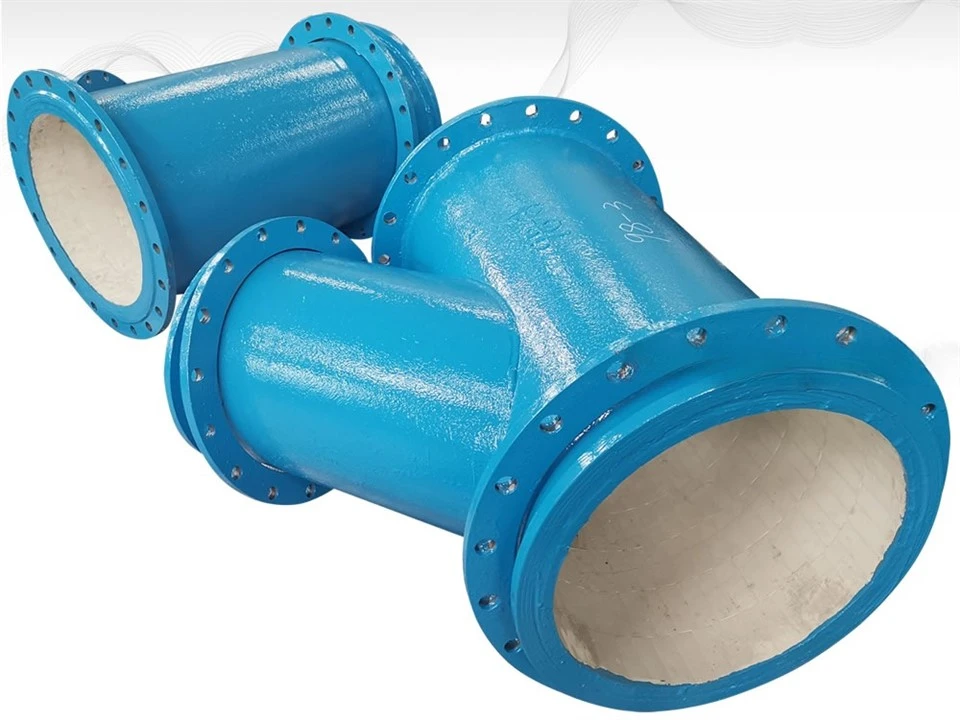
Alumina Grades: Alumina ceramic grades include 92%, 95% and 97% formulations. Selection is based on material hardness, conveying velocity, temperature and the expected wear conditions of the pipeline.
Steel Outer Pipe: The outer structure can use carbon steel or stainless steel according to mechanical requirements, system pressure and the surrounding service environment.
Ceramic Inner Lining: Dense alumina ceramic forms the internal wear surface. With a Mohs hardness of 9, the ceramic provides a hard barrier between abrasive material and the structural steel pipe.
Bonded Construction: Ceramic sections are bonded to the internal wall of the steel carrier. Lining thickness and bonding design are selected according to pipe diameter, thermal conditions and operating requirements.
Product Configurations
Straight Pipe: Straight sections are available for new pipeline installations, replacement sections and dimensional matching with existing systems. Length and diameter are specified according to project drawings.
Elbows & Bends: Standard directional configurations include 22.5°, 30°, 45°, 60° and 90°. Other angles can be produced from approved engineering drawings when required by the pipeline layout.
Tees & Branches: Branch fittings can be configured for different flow directions and connection arrangements. Ceramic coverage is planned around the internal flow path to maintain continuous wear protection.
Connection Options: Available connection arrangements include welded flanges, van stone flanges, grooved connections and plain ends. Connection details are coordinated with the existing piping specifications before production.

Technical Specifications
|
Parameter |
Specification |
|
Lining Material |
Alumina Ceramic |
|
Alumina Content |
92–97% |
|
Ceramic Hardness |
Mohs 9 |
|
Nominal Pipe Diameter |
DN30–DN400 mm |
|
Ceramic Lining Thickness |
3–50 mm |
|
Continuous Operating Temperature |
-50°C to 900°C |
|
Elbow Angle |
22.5°–180° |
|
Bend Radius |
1.5D–5D |
|
Outer Pipe Material |
Carbon Steel / Stainless Steel |
|
Ceramic Structure |
Bonded Internal Lining |
Applications & Conveying Materials
Mining & Mineral Processing
Ceramic lined piping is used for ore, mineral concentrates, tailings and abrasive slurries. Straight sections and directional fittings can be specified according to particle characteristics and flow conditions.
Cement & Building Materials
Applications include cement powder, raw material meal, fly ash and clinker dust conveyed through pneumatic or mechanical transfer systems. Ceramic thickness can be selected according to material velocity and wear conditions.

Power Generation
Ceramic lined components are suitable for abrasive fly ash, bottom ash and pulverized coal conveying systems. Elbows, bends and transfer points can receive additional attention during lining design because of directional material flow.
Chemical & Fine Material Processing
Ceramic lined pipes can be used for abrasive powders and mineral-containing slurries in process systems where wear resistance and material compatibility are required.
Wear Conditions
Particle Abrasion
Hard particles moving against an internal pipe surface create progressive material loss. Alumina ceramic provides a hard contact surface for continuous conveying applications involving abrasive solids.
Direction Changes
Changes in flow direction can concentrate particle impact along specific areas of an elbow or bend. Internal ceramic geometry is designed to follow these high-wear zones.
Conveying Velocity
Higher material velocity can increase particle impact and sliding wear. Pipe selection therefore considers velocity together with particle size, solids loading and material hardness.
Slurry Service
Slurry applications require consideration of particle distribution, solids concentration, carrier-fluid chemistry, temperature and flow velocity. These conditions help determine the appropriate ceramic grade and lining thickness.
Custom Ceramic Lined Pipe & Fittings
Drawing-Based Production
Engineering drawings in DWG, PDF and STEP formats can be reviewed for custom pipe assemblies and fittings. Existing component measurements can also be used when replacement dimensions need to match an installed system.
Dimensional Matching
Outer diameter, overall length, elbow radius, flange bolt pattern and lining thickness can be specified to correspond with existing plant dimensions.
Ceramic Grade Selection
Alumina purity is selected according to the abrasiveness, temperature and chemical characteristics of the conveyed material. Lining thickness is determined together with the operating conditions.
Fitting Geometry
Multi-port junctions and transition sections require detailed internal geometry. Ceramic coverage is arranged around each flow path according to the approved fabrication drawing.
Quality Control & Inspection
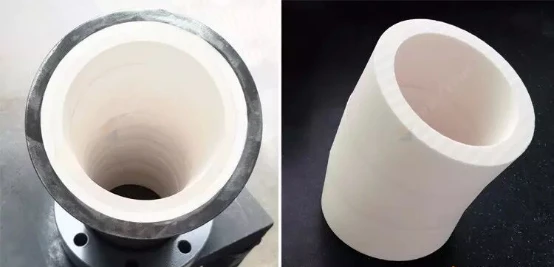
Ceramic Material Inspection: Ceramic components are checked for alumina content, density, physical hardness and material consistency before assembly.
Dimensional Inspection: Finished pipe length, internal diameter, ceramic thickness and flange hole positions are measured against approved production dimensions.
Bonding Inspection: The ceramic-to-steel interface is checked during production to verify bonding condition and consistency across the lined section.
Pre-Shipment Inspection: Completed orders receive visual and dimensional inspection before release. Quality records and inspection documentation can be provided according to project requirements.
Certifications
ISO 9001: Quality management certification supporting controlled production, inspection procedures, process documentation and quality records.
ISO 14001: Environmental management certification covering production practices and environmental management procedures.
ISO 45001: Occupational health and safety management certification supporting controlled workplace safety practices across manufacturing operations.

Packaging & Export Transportation
Export Packaging
Pipes and fittings are secured with suitable wooden crates, reinforced frames and protective end caps for international transportation.
Structural Protection
Internal supports and cushioning materials help protect ceramic linings and machined connection surfaces during loading, handling and transportation.
Shipping Terms
FOB, CIF, EXW, CPT and FCA arrangements are available according to order requirements, destination and agreed commercial terms.
Technical & After-Sales Support
Pre-Order Review
Project requirements are reviewed before order confirmation, including material characteristics, pipe dimensions, operating conditions and ceramic selection.
Order Coordination
Approved fabrication drawings are used to coordinate production, dimensional inspection and final product verification throughout the order process.
Installation Support
Technical guidance is available for handling, alignment and installation so that ceramic lined components can be incorporated correctly into the pipeline system.
After-Sales Service
Technical assistance remains available after delivery for installation questions, operating conditions, wear monitoring and future replacement requirements.
How to Select the Right Ceramic Lined Pipe
Identify the Material
Define the conveyed material, particle size distribution, solids concentration and material form. State whether the system handles dry powder, bulk solids or abrasive slurry.
01
Confirm Operating Conditions
Provide operating temperature, system pressure, conveying velocity and flow conditions. These parameters help establish the mechanical and lining requirements.
02
Define Pipe Geometry
Specify pipe diameter, straight-section length, elbow angle, bend radius, branch configuration and connection dimensions.
03
Select Ceramic Grade
Select the alumina grade and lining thickness according to material hardness, particle velocity, temperature and expected wear conditions.
04
Submit Project Information
Engineering drawings, site measurements and application data allow the required pipe configuration, ceramic lining and connection details to be reviewed before quotation.
05
Frequently Asked Questions

Request a Ceramic Lined Pipe & Fittings Quote
Share Your Requirements
Send your pipe dimensions, conveyed material, operating conditions and available drawings for technical review.
Get a Project-Specific Specification
Ceramic grade, lining thickness, fitting configuration and connection details will be matched to your application requirements.