The cement industry has always faced two big challenges: high energy consumption and heavy wear on metal parts.
Every year in China alone, more than 2 million tons of metal are worn out and replaced. Among them, grinding balls take up about 55% of the total wear, and liners account for another 11%.
At the same time, chromium contamination in cement has become a growing concern for both human health and the environment. With stricter national standards in place, many plants are starting to look for cleaner and more durable materials.
This is where ceramics come in.
Why Ceramics? Because They're Extremely Hard
Wear-resistant ceramics are mainly made from alumina.
When alumina content goes above 90%, we call it corundum ceramic-and its hardness is extremely high, just below diamond.
That makes it a great replacement for high-chrome cast iron used in cement grinding.

But Isn't Alumina Brittle? We solved that.
Pure alumina is very hard, but it can also be brittle. In cement mills, strong impacts can sometimes cause cracking.
To fix this, zirconia is added to alumina. This produces ZTA (Zirconia Toughened Alumina), which has both:
high hardness
much better toughness and impact resistance
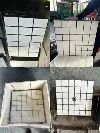
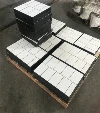
Based on this material, we developed ceramic grinding balls and ZTA ceramic liners that:
reduce power consumption
greatly cut down metal wear
eliminate chromium contamination
provide much longer service life
Proven in White Cement and Colored Cement Plants
Over the past few years, ceramic grinding media and ZTA liners have been used in white cement and colored cement production lines with very positive results.
Users have seen:
higher grinding efficiency
lower energy usage
fewer replacements and downtime
cleaner, chromium-free cement
Because of these advantages, more and more cement plants are switching from high-chrome cast iron to ceramic materials.
A Cleaner and More Efficient Solution
As the industry moves toward greener and more energy-efficient production, ceramic materials are quickly becoming the preferred choice for many cement manufacturers.
Longer life, zero chromium, and real cost savings-ceramics are helping the cement industry upgrade to a more sustainable future.