In modern industrial production, the choice of materials directly affects the performance and service life of equipment. Lined ceramic products are becoming an important solution in the fields of chemical industry, energy, mining, etc. due to their excellent wear resistance, corrosion resistance and high temperature stability.
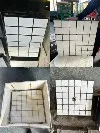
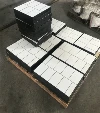
Lined ceramic products usually use high-performance ceramic materials such as alumina, silicon carbide or zirconium oxide, and are bonded to the surface of metal or other substrates through special processes. This composite structure not only retains the mechanical strength of the metal, but also exerts the wear resistance and corrosion resistance of ceramics, significantly improving the service life of the equipment.
In the chemical industry, lined ceramic products are widely used in components such as reactors, pipelines and valves. Since many chemical raw materials are highly corrosive, ordinary metal equipment is easily corroded, while ceramic linings can effectively resist the erosion of chemical substances such as acids and alkalis, reduce maintenance costs and improve production efficiency.
The energy field is also an important application scenario for lined ceramic products. In coal-fired power plants, mining machinery and oil extraction equipment, ceramic linings are used for wear-resistant liners, pipelines and impellers. These parts are subjected to high-speed particle impact or high-temperature wear for a long time, and the high hardness and high-temperature resistance of ceramic materials make them an ideal choice.
In addition, lined ceramic products also play an important role in environmental protection equipment. For example, in flue gas desulfurization systems, ceramic linings can resist the corrosion of acidic gases, extend the service life of equipment, and reduce the risk of leakage caused by corrosion.
With the advancement of materials science, the performance of lined ceramic products continues to improve and the scope of application is also expanding. In the future, with the development of intelligent manufacturing and 3D printing technology, the customization and precision of ceramic linings will be further improved, providing efficient and durable solutions for more industries.
For foreign trade companies, the market demand for lined ceramic products continues to grow, especially in the context of environmental protection and energy upgrading, and its export potential is huge. Understanding the technical trends and application scenarios in this field will help companies seize market opportunities and expand international business.