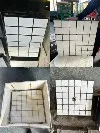
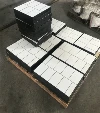
In modern construction and infrastructure development, cement production is an indispensable link. Within the cement production process, the ball mill plays a particularly critical role, as it directly impacts the grinding efficiency and final quality of the cement. In recent years, ceramic balls have gradually gained attention as grinding media for ball mills. So, why are ceramic balls chosen as the grinding medium for cement mills? What advantages do they offer? This article will provide a detailed analysis of ceramic balls used in cement mills from multiple perspectives.
1. Background of Ceramic Balls in Cement Mills
1. Basic Principles and Functions of a Ball Mill
A ball mill is a device that uses steel balls or other spherical materials to grind materials during rotation. It is widely used in industries such as mining, building materials, and chemicals. In cement production, the ball mill primarily crushes raw materials like limestone and clay into fine powder, ensuring the subsequent clinker calcination and cement blending processes.
2. Commonly Used Grinding Media Types
Traditionally, steel balls have been the primary grinding media in cement mills due to their low cost and high wear resistance. However, as the industry's demand for environmental friendliness and energy efficiency grows, ceramic balls have gradually emerged as an alternative. Made from high-purity ceramic materials, ceramic balls offer excellent wear resistance and chemical stability.
3. The Reasons for the Rise of Ceramic Balls
The application of ceramic balls in cement mills primarily stems from their superior performance. Compared to steel balls, ceramic balls offer significant advantages in reducing steel ball contamination, lowering energy consumption, and extending equipment lifespan. This makes them an ideal choice for cement production lines with high requirements for product quality and environmental protection.
II. Performance Characteristics of Ceramic Balls in Cement Mills
1. High wear resistance
Ceramic balls are made of ceramic materials, which are generally harder than ordinary steel balls, effectively resisting wear and extending service life. This is particularly important for efficient and continuous cement production, reducing the frequency of abrasive replacement.
2. Strong chemical stability
Ceramic balls exhibit excellent corrosion resistance, making them resistant to reactions with acidic and alkaline components in cement. This prevents impurities introduced by abrasive corrosion, ensuring the purity and performance stability of the cement.
3. Low pollution
Steel balls may release tiny steel particles during use, contaminating the cement powder. In contrast, ceramic balls do not exhibit this issue, helping to improve product quality and comply with industry environmental requirements.
4. Strong adaptability
The density of ceramic balls is slightly lower than that of steel balls, but their hardness and wear resistance enable them to perform stably under various working conditions. For ball mills of different scales and types, the appropriate ceramic ball specifications can be selected according to requirements.
III. Advantages of Ceramic Balls in Cement Mills
1. Improve grinding efficiency
The high hardness of ceramic balls enables better material crushing and grinding effects, thereby improving grinding efficiency. Higher grinding efficiency means more raw material can be processed per unit time, enhancing production capacity.
2. Extend equipment lifespan
Due to the excellent wear resistance of ceramic balls, they can reduce wear on the lining and other components of the ball mill, decrease maintenance frequency and costs, and extend the overall service life of the equipment.
3. Improve cement quality
Ceramic balls reduce contamination from steel filings during the grinding process, ensuring the purity of cement powder and contributing to the production of standardized cement products.
4. Reduce energy consumption
High-efficiency grinding results in reduced energy consumption under the same production output conditions. Although the procurement cost of ceramic balls is slightly higher, their energy-saving benefits can demonstrate economic value over long-term operation.
5. Environmental Protection and Safety
Ceramic balls are non-toxic and harmless, meeting environmental protection requirements while also reducing safety hazards caused by steel chips. This is a crucial consideration for enterprises pursuing green production.
IV. How to Choose the Right Ceramic Balls
1. Specifications and Dimensions
Different cement production lines and ball mills have varying requirements for the size of grinding media. Selecting the appropriate ceramic ball specifications ensures optimal grinding performance and smooth operation of the equipment.
2. Material Quality
High-quality ceramic balls should possess high hardness, excellent wear resistance, and chemical stability. Materials that have undergone rigorous testing should be selected to avoid premature damage.
3. Cost and Economy
Although ceramic balls are more expensive than steel balls, their durability and energy-saving effects may result in lower overall operating costs. Enterprises should conduct reasonable cost calculations based on actual production needs.
5, Precautions for ceramic balls in practical applications
1. Reasonable control of advertising volume
Too many or too few ceramic balls can affect the grinding effect. The number of balls should be reasonably configured based on factors such as equipment capacity and raw material properties.
2. Monitor the operation status of the grinding machine
Regularly check the wear of ceramic balls and replace them in a timely manner to avoid efficiency decline or equipment damage caused by excessive wear.
3. Combining process optimization
The use of ceramic balls should be adjusted in conjunction with other process parameters, such as grinding time, speed, etc., to achieve popular production results.
6, Future Development Trends
With the continuous advancement of technology, the performance of ceramic materials is also constantly improving. For example, the emergence of new materials such as nano ceramics and composite ceramics may bring higher performance grinding media. The concept of environmental protection and energy conservation is becoming increasingly popular, and the application scope and performance optimization space of ceramic balls in the cement industry will continue to expand.
summary
Ceramic balls for cement grinding have gradually become an important grinding medium in cement production due to their high wear resistance, chemical stability, low pollution and other advantages. Reasonable selection and use of ceramic balls can not only improve grinding efficiency, but also extend equipment life, improve product quality, and bring stable production benefits to enterprises. With the continuous development of material technology, the application of ceramic balls in the cement industry will become more widespread, providing strong support for the green and sustainable development of the industry.