


Ceramic Transfer Chute Liner
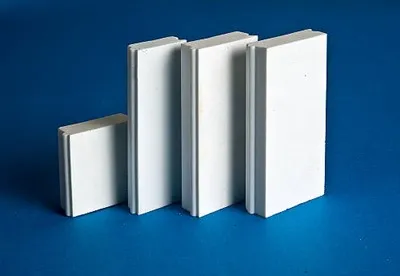
Ceramic Transfer Chute Liner is an alumina ceramic wear lining for chute walls, transfer points, discharge sections and material flow areas exposed to abrasive bulk solids. Alumina grades from 92% to 99% Al₂O₃ are available in different thicknesses, dimensions and fixing configurations to match the chute profile and wear zone.
Where It Is Used
Transfer Chutes
Used on chute walls exposed to continuous movement of ore, coal, limestone, cement materials, aggregates and mineral concentrates.
Drop Sections
Applied at material entry and direction-change areas where particle impact is concentrated.
Hoppers and Discharge Areas
Installed on internal surfaces around concentrated flow paths, transition sections and discharge openings.
Wear Conditions
Sliding Abrasion
Continuous particle movement creates surface wear along the main material trajectory. Alumina ceramic provides a hard contact surface for these areas.
Impact Loading
Larger particles can create localized impact at material entry points. Ceramic thickness and grade should be matched to particle size, drop height and impact intensity.
Flow Concentration
Material flow is often concentrated in specific sections rather than distributed evenly. Higher-wear zones can be specified separately from surrounding areas.
Ceramic Grade Selection
TW92: Contains ≥92% Al₂O₃ and suits general abrasive material handling where sliding wear is the main consideration.
TW95: Contains ≥95% Al₂O₃ and provides a higher-alumina option for applications requiring increased density and mechanical strength.
TW97 and TW99: Contain ≥97% and ≥99% Al₂O₃ respectively, for applications requiring higher ceramic purity, density and flexural strength.
Grade selection should consider the complete wear condition rather than Al₂O₃ content alone.
Product Advantages
Dense Ceramic Structure: Bulk density ranges from 3.63 to 3.83 g/cm³ across the listed grades, with water absorption at or below 0.01%.
Hard Wear Surface: Mohs hardness is 9 across the TW92–TW99 grades for contact with abrasive mineral particles.
Defined Mechanical Properties: Fracture toughness ranges from 4.60 to 5.50 MPa·m¹/², while flexural strength ranges from 240 to 300 MPa across the listed grades.
Application-Specific Geometry: Flat tiles, formed sections and interlocking profiles can be specified according to chute shape and installation area.
Technical Specifications
|
Property |
TW92 |
TW95 |
TW97 |
TW99 |
|
Al₂O₃ |
≥92% |
≥95% |
≥97% |
≥99% |
|
Bulk Density |
≥3.63 g/cm³ |
≥3.68 g/cm³ |
≥3.73 g/cm³ |
≥3.83 g/cm³ |
|
Water Absorption |
≤0.01% |
≤0.01% |
≤0.01% |
≤0.01% |
|
Mohs Hardness |
9 |
9 |
9 |
9 |
|
Fracture Toughness |
≥4.60 MPa·m¹/² |
≥4.65 MPa·m¹/² |
≥5.20 MPa·m¹/² |
≥5.50 MPa·m¹/² |
|
Flexural Strength |
≥240 MPa |
≥250 MPa |
≥285 MPa |
≥300 MPa |
Thickness and Size
Standard Thickness: Common thicknesses include 6 mm, 10 mm, 12 mm, 15 mm, 20 mm and 25 mm. Selection depends on wear allowance, material characteristics and available installation space.
Custom Dimensions: Tile and panel dimensions can be matched to chute drawings, existing liner layouts or measured installation areas.
Shaped Sections: Trapezoidal, segmented and interlocking pieces can be specified for areas requiring a defined fit around chute transitions or curved surfaces.
Installation Options
Adhesive Bonding: Plain ceramic tiles can be bonded to prepared steel surfaces where the chute temperature, geometry and operating conditions suit adhesive installation.
Mechanical Fixing: Ceramic components can be supplied with mounting arrangements for mechanical retention where additional fixing is required.
Interlocking Design: Interlocking profiles provide mechanical engagement between adjacent pieces and help maintain liner positioning across suitable chute sections.
Chute Design Matching
Straight Walls: Rectangular tiles suit broad flat areas with a relatively consistent material trajectory.
Curved Surfaces: Segmented or formed pieces can follow curved chute sections and maintain the required lining coverage.
High-Wear Zones: Impact areas and concentrated flow paths can use different ceramic grades or thicknesses from surrounding sections.
Material Compatibility: Ceramic Transfer Chute Liners are used with abrasive bulk materials including iron ore, coal, limestone, cement materials, aggregates and mineral concentrates. Selection should consider particle size, flow rate, drop height, chute angle, operating temperature and the dominant wear condition.
Manufacturing and Quality Control
Ceramic Processing: Alumina components are formed and sintered under controlled production conditions. Processing parameters are selected according to ceramic grade, component geometry and required density.
Dimensional Inspection: Finished liners are checked against specified dimensions, profiles and surface requirements before packing.
Material Testing: Al₂O₃ content, density, water absorption, hardness and mechanical properties can be checked against the specified ceramic grade.
What to Specify
Chute Information: Provide chute drawings, liner area dimensions, installation location and available clearance.
Operating Conditions: Material type, particle size, drop height, flow rate and operating temperature help define the required liner configuration.
Liner Requirements: Specify ceramic grade, thickness, dimensions, shape and fixing method where available. Photos of existing liners and worn areas can help confirm the replacement configuration.
FAQ
Q: What ceramic grade is suitable for a transfer chute?
A: TW92 and TW95 cover many abrasive sliding-wear applications. TW97 and TW99 provide higher alumina content, density and flexural strength for applications requiring these properties.
Q: What thickness should be selected?
A: Common thicknesses range from 6 mm to 25 mm. Selection depends on material abrasiveness, particle size, flow concentration, impact conditions and installation space.
Q: Can the liner follow a curved chute surface?
A: Yes. Segmented and formed ceramic pieces can be produced for suitable curved chute sections and defined profiles.
Q: Can different grades or thicknesses be used in one chute?
A: Yes. Separate specifications can be assigned to impact zones, main flow paths and lower-wear areas when operating conditions differ.
Q: What information is required for a quotation?
A: Chute drawings or dimensions, handled material, operating conditions, required thickness, ceramic grade, liner shape, fixing method and estimated quantity provide the main information for product configuration and pricing.
Hot Tags: ceramic transfer chute liner, China ceramic transfer chute liner manufacturers, suppliers, factory, ceramic liner
You Might Also Like


Send Inquiry