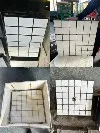
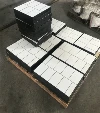
In modern industrial production, liner, as a key wear-resistant component, is widely used in mining, metallurgy, electricity, building materials and other fields. Its performance directly affects the service life, production efficiency and operating cost of equipment. With the advancement of materials science, the performance of liner is continuously optimized, becoming an indispensable and important component in the industrial field.
One of the core performances of liner is wear resistance. In high-intensity working environments such as ore crushing and material transportation, liner needs to withstand continuous friction and impact. High chromium cast iron, manganese steel and new composite materials have become the preferred materials for liner manufacturing due to their excellent hardness and wear resistance. In particular, high chromium cast iron liner, whose hardness can reach more than HRC60, significantly extends the service life of equipment and reduces maintenance frequency.
In addition to wear resistance, the impact resistance of liner is equally important. In equipment such as mining crushers, liner needs to withstand the violent impact of large pieces of material. Materials with excellent toughness, such as high manganese steel, can produce a work hardening effect under impact load, thereby improving surface hardness and enhancing impact resistance. In recent years, through the improvement of alloying and heat treatment processes, the impact resistance of linings has been further improved to meet more stringent industrial needs.
Corrosion resistance is also a key indicator of lining performance. In industries such as cement and chemicals, linings are often in contact with acidic or alkaline materials and are prone to chemical corrosion. For this reason, some linings are made of stainless steel or sprayed with ceramic coatings on the surface to improve corrosion resistance and extend service life. In addition, the installation structure design of the lining also affects its performance. A reasonable structure can reduce stress concentration and avoid early failure.
With the improvement of environmental protection requirements, lightweight and low energy consumption have become new trends in the development of linings. By optimizing material ratios and manufacturing processes, modern linings are lighter while ensuring performance, reducing equipment energy consumption, and are in line with the development direction of green industry.
The improvement of lining performance has not only promoted the upgrading of industrial equipment, but also provided strong support for enterprises to reduce costs and increase efficiency. In the future, with the application of new materials and new technologies, the performance of linings will be further optimized to ensure efficient production in various industries.