

In the industrial landscape, ceramic rollers play a pivotal role in various manufacturing processes, from glass production to heat treatment applications. One of the key concerns for industries relying on these rollers is their performance in high - humidity environments. As a ceramic roller supplier, I have witnessed firsthand the challenges and benefits that come with using ceramic rollers under such conditions. In this blog, I will delve into how ceramic rollers perform in high - humidity environments, exploring their properties, potential issues, and solutions.
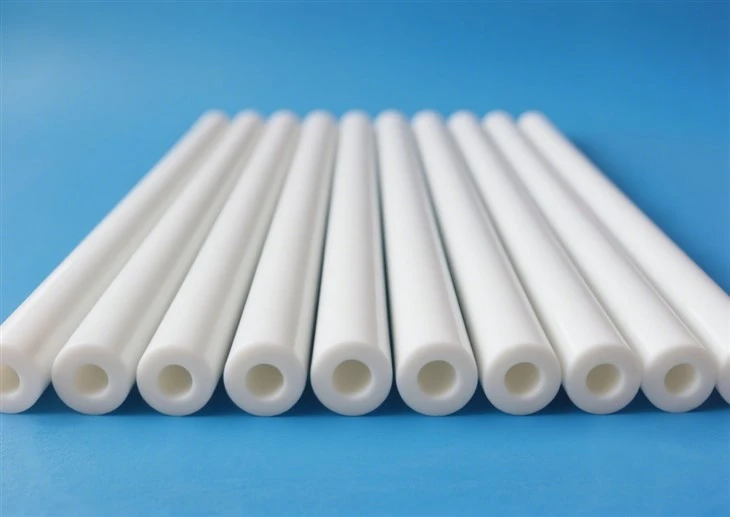

Properties of Ceramic Rollers Relevant to High - Humidity Conditions
Ceramic rollers are known for their excellent mechanical and thermal properties. They are typically made from materials such as alumina, zirconia, or silicon carbide, each with its own set of characteristics.
Alumina ceramic rollers are widely used due to their high hardness, wear resistance, and good thermal stability. In high - humidity environments, the chemical stability of alumina is an advantage. Alumina is relatively inert and does not react easily with water vapor in the air. This means that the basic structure and properties of the roller are less likely to be affected by moisture. For example, in a glass manufacturing plant where humidity can be high during the cooling process, alumina ceramic rollers can maintain their shape and surface finish, ensuring smooth transportation of the glass sheets. Ceramic Roller
Zirconia ceramic rollers, on the other hand, offer high toughness and fracture resistance. They also have a relatively low coefficient of thermal expansion, which is beneficial in preventing cracking due to temperature changes that may occur in high - humidity environments. The ability of zirconia to resist moisture - induced degradation is also notable. In some heat treatment processes where humidity levels can fluctuate, zirconia ceramic rollers can withstand the stress without significant loss of performance.
Silicon carbide ceramic rollers are known for their high thermal conductivity and excellent wear resistance. In high - humidity conditions, the high thermal conductivity helps in dissipating heat more efficiently, which can be crucial in preventing the formation of condensation on the roller surface. Condensation can lead to issues such as corrosion and uneven wear, so the ability to quickly transfer heat away from the roller is a valuable property.
Potential Issues in High - Humidity Environments
Despite their many advantages, ceramic rollers can face several challenges in high - humidity environments.
One of the primary concerns is the formation of surface moisture. When the temperature of the ceramic roller drops below the dew point in a high - humidity environment, water vapor in the air condenses on the roller surface. This can lead to a variety of problems. For instance, in a conveyor system using ceramic rollers, the presence of moisture can cause the conveyed materials to stick to the roller surface. This not only affects the smooth operation of the conveyor but can also lead to uneven wear of the roller as the stuck materials create additional friction.
Another issue is the potential for corrosion, although ceramics are generally more corrosion - resistant than metals. In some cases, if the ceramic roller has impurities or if there are chemical contaminants in the high - humidity air, a slow chemical reaction may occur on the roller surface. This can gradually degrade the surface quality of the roller, reducing its hardness and wear resistance over time.
Moisture can also affect the electrical properties of ceramic rollers. In applications where the rollers are used in electrical or electronic manufacturing processes, the presence of moisture can cause short - circuits or interference with the electrical signals. This is particularly critical in precision manufacturing, where even minor electrical disruptions can lead to product defects.
Solutions to Improve Performance in High - Humidity Environments
To address the challenges faced by ceramic rollers in high - humidity environments, several solutions can be implemented.
Surface coatings are an effective way to protect ceramic rollers from moisture. For example, applying a hydrophobic coating can prevent water from adhering to the roller surface. These coatings work by creating a thin layer that repels water, reducing the likelihood of condensation and moisture - related issues. Some advanced coatings also offer additional benefits such as increased wear resistance and chemical protection.
Controlling the environmental conditions is another important strategy. By using dehumidifiers in the manufacturing facility, the humidity levels can be maintained within an acceptable range for the ceramic rollers. This not only reduces the risk of moisture - related problems but also improves the overall stability of the manufacturing process. Temperature control is also crucial. Ensuring that the temperature of the ceramic rollers is kept above the dew point can prevent condensation from occurring.
Regular maintenance and inspection of the ceramic rollers are essential. This includes cleaning the rollers to remove any accumulated moisture, contaminants, or stuck materials. Inspecting the rollers for signs of wear, corrosion, or surface damage can help in detecting problems early and taking appropriate corrective actions. For example, if a small area of corrosion is detected, it can be treated before it spreads and causes more significant damage.
Case Studies
Let's take a look at some real - world examples of how ceramic rollers perform in high - humidity environments.
In a glass manufacturing plant, the production process involves high temperatures followed by rapid cooling, which can create high - humidity conditions. The plant was using alumina ceramic rollers in its conveyor system. Initially, they faced issues with glass sheets sticking to the rollers due to moisture condensation. After applying a hydrophobic coating to the rollers and installing dehumidifiers in the production area, the problem was significantly reduced. The rollers continued to operate smoothly, and the quality of the glass products improved as there were fewer surface defects caused by uneven transportation.
In an electronics manufacturing facility, silicon carbide ceramic rollers were used in a process where precise electrical control was required. The high - humidity environment was causing electrical interference, leading to product defects. By implementing a temperature and humidity control system and regularly cleaning the rollers, the electrical performance of the rollers was stabilized, and the defect rate was significantly reduced.
Conclusion
In conclusion, ceramic rollers have both advantages and challenges when it comes to performing in high - humidity environments. Their inherent properties such as chemical stability, wear resistance, and thermal conductivity make them suitable for many applications even under such conditions. However, the potential issues of moisture condensation, corrosion, and electrical interference need to be addressed through appropriate solutions such as surface coatings, environmental control, and regular maintenance.
As a ceramic roller supplier, I am committed to providing high - quality ceramic rollers that can meet the demands of various industries, including those operating in high - humidity environments. If you are facing challenges with your current rollers or are looking for reliable ceramic rollers for your high - humidity applications, I encourage you to contact me for a detailed discussion. We can work together to find the best solutions for your specific needs and ensure the smooth operation of your manufacturing processes.
References
- "Ceramics in High - Humidity Environments: A Review", Journal of Materials Science, Vol. XX, Issue XX, 20XX.
- "Performance of Ceramic Rollers in Industrial Applications", Industrial Ceramics Research Report, 20XX.
- "Surface Coatings for Ceramic Components in Moisture - Prone Conditions", Proceedings of the International Conference on Advanced Ceramics, 20XX.


