

Hey there! As a ceramic roller supplier, I've had my fair share of customers asking about the differences between ceramic rollers and ceramic - fiber rollers, especially when it comes to insulation performance. So, I thought I'd take a deep dive into this topic and share what I've learned over the years.
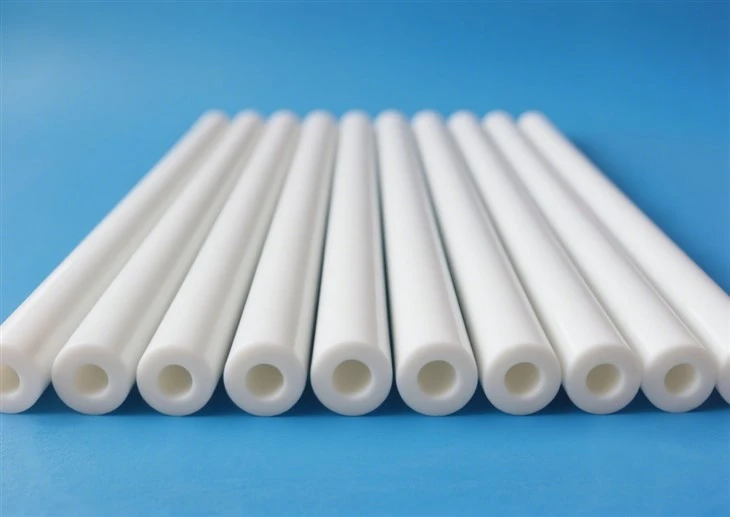
Let's start by understanding what these two types of rollers are. Ceramic rollers, like the ones you can check out Ceramic Roller, are made from high - quality ceramic materials. They're known for their durability and strength. On the other hand, ceramic - fiber rollers are composed of ceramic fibers, which are more flexible and lightweight.
Insulation Mechanisms
First off, we need to understand how these rollers insulate. Ceramic rollers have a dense structure. The atoms in the ceramic material are tightly packed, which restricts the movement of heat - carrying particles. This means that heat has a hard time passing through the roller. It's like a thick wall that heat struggles to penetrate.
Ceramic - fiber rollers, however, work a bit differently. Their insulation comes from the air pockets trapped within the fiber structure. Air is a poor conductor of heat, so these pockets act as barriers, slowing down the transfer of heat. It's kind of like a bunch of tiny air bubbles in a sponge, each one doing its part to keep the heat at bay.

Thermal Conductivity
Thermal conductivity is a key factor when it comes to insulation performance. It measures how easily heat can pass through a material. Generally, ceramic rollers have a relatively low thermal conductivity, but it can vary depending on the specific ceramic composition. Some high - end ceramic rollers are engineered to have extremely low thermal conductivity, making them excellent insulators.
Ceramic - fiber rollers typically have even lower thermal conductivity. The air pockets in the fiber structure really help to reduce the flow of heat. But here's the catch: over time, the fibers can settle or break down, which might increase the thermal conductivity. So, while they start off with great insulation, their performance can degrade.
Temperature Resistance
Another important aspect is how well these rollers can handle high temperatures. Ceramic rollers are champions in this department. They can withstand extremely high temperatures without losing their shape or insulation properties. This makes them ideal for applications where the temperature can soar, like in some industrial furnaces.
Ceramic - fiber rollers also have good temperature resistance, but they have a lower upper limit compared to ceramic rollers. At very high temperatures, the fibers can start to melt or lose their integrity, which will affect their insulation performance.
Installation and Maintenance
When it comes to installation, ceramic rollers can be a bit more challenging. They're heavy and rigid, so you need to be careful when positioning them. But once they're in place, they're pretty stable and don't require much maintenance.
Ceramic - fiber rollers are much easier to install. Their lightweight and flexible nature means you can bend and shape them to fit different spaces. However, they do need more maintenance. As I mentioned earlier, the fibers can break down, so you need to regularly check and replace them if necessary.
Cost - effectiveness
Cost is always a consideration. Ceramic rollers are usually more expensive upfront. But when you factor in their long - term durability and low maintenance requirements, they can be a cost - effective choice in the long run. You won't have to replace them as often, and they'll keep performing well over time.
Ceramic - fiber rollers are cheaper to buy initially. But because of their shorter lifespan and higher maintenance needs, the overall cost can add up over time.
Real - world Applications
In industries where high - precision and long - term stability are crucial, like in the semiconductor manufacturing process, ceramic rollers are often the go - to choice. Their excellent insulation performance and temperature resistance ensure that the manufacturing environment remains stable.
Ceramic - fiber rollers are commonly used in applications where flexibility and quick installation are important, such as in some small - scale heating systems. They can also be used in situations where the temperature is not extremely high.
Moisture Resistance
Moisture can have a big impact on insulation performance. Ceramic rollers are generally very resistant to moisture. The dense ceramic structure doesn't allow water to penetrate easily, so their insulation properties remain intact even in humid environments.
Ceramic - fiber rollers, on the other hand, can absorb moisture. When this happens, the water can fill the air pockets in the fiber structure, reducing their insulation effectiveness. So, in wet or humid conditions, ceramic rollers are a better choice.
Energy Efficiency
In terms of energy efficiency, both types of rollers can help save energy. Ceramic rollers, with their low thermal conductivity, prevent heat loss, which means less energy is needed to maintain the desired temperature. Ceramic - fiber rollers also contribute to energy savings, but as their performance can degrade over time, their long - term energy - saving potential might be lower.
Conclusion
So, which one is better? Well, it really depends on your specific needs. If you need a roller that can handle extremely high temperatures, has long - term stability, and is resistant to moisture, then ceramic rollers are the way to go. You can explore our range of Ceramic Roller to find the perfect fit for your application.
If you're looking for something lightweight, flexible, and easy to install, and the temperature requirements aren't too extreme, ceramic - fiber rollers could be a good option. But keep in mind the maintenance and potential performance degradation.
If you're still not sure which type of roller is right for you, or if you have any questions about our ceramic rollers, don't hesitate to reach out. We're here to help you make the best decision for your business. Whether you're a small - scale operation or a large industrial facility, we can provide you with the right insulation solution. Let's start a conversation and see how we can work together to meet your needs.
References
- "Handbook of Ceramic Materials" - A comprehensive guide on the properties and applications of ceramic materials.
- "Thermal Insulation Technology" - A book that delves into the science of thermal insulation and different insulation materials.


