

When it comes to the use of ceramic rollers in various industrial applications, safety is a topic that often comes under scrutiny. As a ceramic roller supplier, I understand the importance of addressing these concerns comprehensively. In this blog, we will delve into the potential safety issues associated with ceramic rollers and explore how to mitigate them.
Understanding Ceramic Rollers
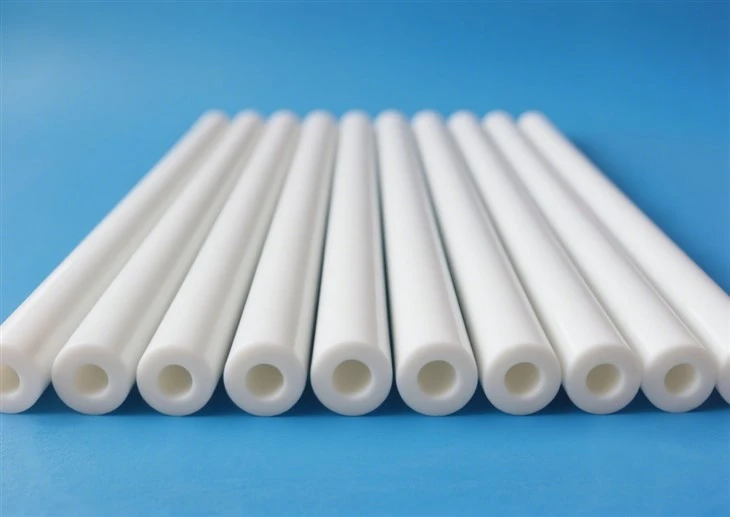
Ceramic rollers are widely used in industries such as glass manufacturing, steel production, and heat treatment. They offer several advantages over traditional metal rollers, including high-temperature resistance, excellent wear resistance, and low thermal expansion. These properties make them ideal for applications where extreme conditions are prevalent. Ceramic Roller are typically made from high-quality ceramic materials such as alumina, zirconia, or silicon carbide, which are carefully engineered to meet specific performance requirements.
Potential Safety Concerns
While ceramic rollers offer numerous benefits, there are some potential safety concerns that users should be aware of. One of the primary concerns is the risk of breakage. Ceramic materials are brittle, which means they can crack or shatter under certain conditions. This can occur due to factors such as thermal shock, mechanical stress, or improper handling. If a ceramic roller breaks during operation, it can pose a significant safety hazard to workers and equipment.
Another safety concern is the release of ceramic particles. When ceramic rollers wear down or break, they can release small ceramic particles into the surrounding environment. Inhaling these particles can be harmful to human health, especially if they are fine enough to reach the lungs. Prolonged exposure to ceramic dust can cause respiratory problems such as silicosis, a serious lung disease.
In addition, ceramic rollers may present electrical safety risks in certain applications. Some ceramic materials are electrically conductive, which means they can carry an electrical current. If a ceramic roller comes into contact with an electrical source or a live wire, it can pose a risk of electric shock to workers.
Mitigating Safety Risks
To address these safety concerns, it is essential to take appropriate measures to mitigate the risks associated with using ceramic rollers. Here are some key strategies that can help ensure the safe use of ceramic rollers:
Proper Installation and Handling
Proper installation and handling are crucial to prevent breakage and ensure the safe operation of ceramic rollers. When installing ceramic rollers, it is important to follow the manufacturer's instructions carefully. This includes ensuring that the rollers are properly aligned, supported, and secured. Avoid over-tightening or applying excessive force during installation, as this can cause stress and increase the risk of breakage.
During handling, it is important to use appropriate lifting and handling equipment to prevent damage to the rollers. Avoid dropping or hitting the rollers, as this can cause cracks or chips. If a roller is damaged, it should be replaced immediately to prevent further safety issues.
Regular Inspection and Maintenance
Regular inspection and maintenance are essential to detect and address any potential safety issues before they become serious problems. Inspect ceramic rollers regularly for signs of wear, damage, or cracking. Look for any visible cracks, chips, or signs of thermal shock. If any issues are detected, the roller should be replaced or repaired as soon as possible.
In addition to visual inspections, it is also important to perform regular maintenance tasks such as cleaning and lubrication. This can help prevent the buildup of dirt, debris, and contaminants, which can affect the performance and safety of the rollers. Follow the manufacturer's recommendations for cleaning and lubrication to ensure the proper care of the rollers.
Personal Protective Equipment (PPE)
To protect workers from the potential hazards associated with ceramic rollers, it is important to provide appropriate personal protective equipment (PPE). This may include safety glasses, gloves, respirators, and protective clothing. Workers should be trained on the proper use and maintenance of PPE and should be required to wear it at all times when working with ceramic rollers.
Training and Education
Proper training and education are essential to ensure that workers understand the potential safety risks associated with using ceramic rollers and know how to take appropriate precautions. Provide comprehensive training to all workers who will be working with ceramic rollers, including installation, operation, maintenance, and emergency procedures. Make sure that workers are aware of the signs and symptoms of exposure to ceramic dust and know how to respond in case of an emergency.

Conclusion
In conclusion, while there are some potential safety concerns associated with using ceramic rollers, these risks can be effectively mitigated through proper installation, handling, inspection, maintenance, and the use of appropriate personal protective equipment. As a ceramic roller supplier, we are committed to providing our customers with high-quality products and comprehensive support to ensure the safe and efficient use of our ceramic rollers.
If you have any questions or concerns about the safety of our ceramic rollers or would like to discuss your specific application requirements, please do not hesitate to contact us. We are here to help you find the best ceramic roller solutions for your needs and ensure the safety of your operations.
References
- "Ceramic Rollers: Properties, Applications, and Safety Considerations." Industrial Ceramics Journal, Vol. XX, No. XX, XX-XX.
- "Safety Guidelines for the Use of Ceramic Rollers in Industrial Applications." Occupational Safety and Health Administration (OSHA).
- "Ceramic Materials and Their Safety Implications." National Institute for Occupational Safety and Health (NIOSH).


