ZIBO, China – May 21, 2026 – In heavy industries where constant abrasion, high-velocity particle impact, and harsh corrosion threaten equipment integrity, wear ceramic bricks have emerged as the gold-standard protective solution, outperforming traditional steel, basalt, and cast iron liners by wide margins.
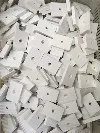
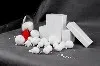
Manufactured from high-purity alumina (92%–95% Al₂O₃), zirconia-toughened alumina (ZTA), or silicon carbide (SiC), wear ceramic bricks are sintered at 1,600–1,700°C to achieve exceptional hardness (HRA 90–95, Mohs 9–9.5), low friction (0.1–0.2), and resistance to temperatures up to 1,200°C. Their wear rate is merely 1/20 to 1/50 that of manganese steel, extending equipment service life by 5–10 times and slashing maintenance costs by 40%–60%. Unlike metal liners, they resist acids, alkalis, and oxidation, while their lightweight design (3.6 g/cm³, half the density of steel) reduces equipment load and energy consumption.
The global wear ceramic brick market is expanding rapidly, valued at USD 898 million in 2025 and projected to hit USD 1,099 million by 2031 (3.4% CAGR), driven by demand from mining, cement, power generation, and metallurgy. In mining and metallurgy, they line ore chutes, ball mills, hoppers, and conveyor transfer points-one copper mine extended liner life from 6 months to 5 years. In cement plants, they protect clinker chutes, raw mill cyclones, and kiln inlets against abrasive clinker. In thermal power plants, they excel in coal ash pipelines, pulverized coal systems, and boiler flues, withstanding high-velocity ash erosion. They also serve steel mills, port bulk handling, and new energy material processing, where durability and reliability are critical.
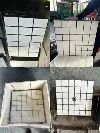
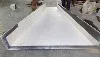
Modern wear ceramic bricks feature customizable designs-standard rectangular, hexagonal interlocking, or curved shapes-to fit complex equipment geometries. Advanced bonding systems (high-strength epoxy, rubber vulcanization) ensure secure adhesion even under vibration and thermal shock. Leading manufacturers optimize formulations for specific conditions: ZTA bricks for high-impact zones, SiC bricks for extreme corrosion, and alumina bricks for general abrasion.
"Wear ceramic bricks eliminate the biggest pain point in heavy industry: frequent downtime from liner failure," said a senior materials engineer at a leading industrial ceramics manufacturer. "They're not just consumables-they're strategic investments that boost productivity, cut costs, and align with sustainability goals by reducing waste and energy use."
As heavy industries prioritize efficiency and sustainability, wear ceramic bricks will continue to gain traction. With ongoing advancements in material science and custom engineering, they are poised to become the preferred wear-protection solution for even more demanding applications, driving innovation and operational resilience across the global industrial supply chain.